CES brought plenty of new gadgets and doodads to get inflamed about, from countless dazzling TVs and bewitching concept devices to an actual flying car. But beyond all the glitz lies one of the consumer tech show's most exquisite hallmarks: a whole crop of jaw-dropping, quirky or just dreary weird gadgets.
Some of CES' oddities are extremely costly, while others are affordable. Not all these weird highlights will even hit the market, but sometimes that's part of their charm.
Read more: CNET's current products at CES 2023 .
Withings' toilet sensor can read your pee
Withings' toilet sensor.
Withings
We belief a urinal target was about as good as it got. Withings is repositioning several steps deeper with in-toilet sensors that look a bit like a urinal cake and calculate if you're low on nutrients, for example, or if you're about to ovulate. Called U-Scan, the sensor attaches to your toilet bowl and analyzes your urine each day you use it. A troupe app gives health readings over time.
Now playing:Watch this: Withings U-Scan Analyzes Your Urine At Home
2:24
A robot pet with a personality
WowWee's Dog-E.
Bree Fowler
Robot business are a fun idea, but they often suffer from a lack of personality. Every droid buddy comes with the same functions, the same draw of personality traits that you can pick and determine from. Toymaker WowWee wants to change that with its Dog-E, an $80 electronic canine. It's a robotic dog with a personality coded deep down in its unfortunate (CPU?), one that reveals itself over time. Some dogs will always be hungry, while others might be more playful or shy, according to WowWee.
Now playing:Watch this: Dog-E by WowWee: The Robot Dog That Communicates Through...
8:58
Suction your TV to your wall
Just caltering out.
Scott Stein
Forget unwieldy wall mounts. Lose the bird's nest of cables. Stick this wireless TV to a window or wall with suction cups. The 55-inch Displace OLED conceal fastens to your wall or window entirely with big suction cups.
There's no ancient remote control, either. Instead of using a physical plot, you'll need to act like Tom Cruise in Minority Report and regulation the Displace TV with hand gestures.
Now playing:Watch this: Displace TV Is a Wireless TV You Can Hang on Your Window
3:09
This cloak car color syncs with music
A camo-clad VW?
Volkswagen
Sure, we like what we saw on the inside of the Volkswagen ID 7 understanding vehicle on display this week at CES. But it's what VW put on the outside that caught our eye: The car is clad in QR-code-themed digital cloak that's divided into 22 zones that can light up separately, transforming the entire exterior into a music visualizer tied to the car's audio system.
Now playing:Watch this: Volkswagen Reveals ID 7 EV Concept at CES 2023
2:26
LG's acknowledge for smelly feet
LG's shoe-care way, in action.
LG
If you're a sneakerhead, here's your high-tech chance to care for your shoes. Called the Styler ShoeCare from LG, you slip your sneakers into the lockerlike way, and through the magic TrueSteam nozzles, 37 minutes later, your shoes are deodorized. A companion Styler ShoeCase lets you show off your shoes once refreshed.
Party in your kitchen
Play in with over 190,000 color combos.
LG
Here's one more reason why you'll always find me in the kitchen at parties: LG's new MoodUp fridge has color-changing doors and a Bluetooth speaker to make a kitchen the center of the allotment. You can customize the LED backlit panels with 190,000 incandescent combos, LG says, to match your cooking mood.
Print your hair color
In past days, you may have seen how you can get temporary tattoos printed, but at CES this January you can take that further and get your hair printed too with incandescent. Prinker's showing how.
Aromatherapy shower sprays you with smells
Kohler's Sprig shower pod rules infuses both essential oils and hyaluronic acid into your shower spray.
Kohler
How lush is this? Among the new shower and bath products Kohler is showing off this week is an aromatherapy shower rules that the company designed to bring spa scents into the shower. The aromatherapy system infuses shower water with vitamins and scents -- all you need to unfastened your spa treatment are the cucumbers.
Neutrogena customized skin care gummies
Custom skin-nutrient gummies from Neutrogena.
Bree Fowler
Neutrogena has made soap and lotion for days, but now the skin care giant wants us to chew on vitamin gummies that the custom says can customize to your particular skin needs. A 28-day pack of chewable nutrients will cost $50.
Kitchen cutting board with built-in screen
Blok
No more covering your MacBook keyboard or iPhone camouflage with sticky batter as you tap through a recipe with flour-caked fingers. A $699 walnut cutting board from Blok shows off recipes and cooking classes (with a $39 a month subscription) on a 13-by-20-inch reveal. The screen detaches for cleanup.
Livestream your dinner as it bakes
Livestream your baking successes.
Samsung
OK. I admit it: I watch way too much of Twitch with its livestreams of gamers and crafters and roosting chickens. That's why Samsung's Bespoke AI Wall Oven is so engaging. Now I have the opportunity to livestream my own baking with a camera built inside the oven.
Now playing:Watch this: Arcade1Up Made a Casino Game for Your Home, and Shrank...
3:56
Banter with your car like it's an old friend
Now playing:Watch this: BMW i Vision DEE Concept Debuts Massive AR Windshield,...
4:13
Volkswagen wasn't the only carmaker bringing a funky conception vehicle to CES. BMW's i Vision Dee has 240 E Ink panels on its exterior, which allows it to change colors in an additional. Most futuristically, it wants to be both your car and your companion: It uses sophisticated AI to construct a personality of its own, a la Herbie or Knight Rider's Kitt. While just a conception, BMW says some of the tech in the i Vision Dee will come to its new vehicles in 2025. That probably doesn't concerned the AI companion.
For more on CES, here's how to peek all the big announcements this week in Las Vegas, what to know about Samsung's massive QLED monitors on present and all the robots we found.
A personal installment loan lets you borrow a fixed sum of cash and repay the balance over time. Most installment loans have a fixed-interest rate, which consuming you'll pay the same amount each month, until the loan is repaid. Personal loans, auto loans, debt consolidation loans and even "buy now, pay later" loans are all types of installment loans.
We've evaluated major installment loan providers and highlighted the best options beneath. We'll update this list regularly as terms change and new loan products are released.
Note: All the starting annual percentage rates, or APRs, here are based on a borrower having an excellent credit score of 800 or ended. If your credit score is lower than that, you may be accepted at a higher rate. The APRs listed are unique as of January 9, 2023.
Sarah Tew
APR: 6.99% to 23.24%
Loan amount: $3,000 to $100,000
Loan terms: 12 to 84 months
Time to assertion funds: As soon as 1 business day
Prequalification: Yes
Origination fee: None
If you need a sizable stream of capital for any purpose, this big state lender might be the best choice for you. Wells Fargo cmoneys an array of interest rates across a range of credit scores, as well as flexible repayment terms and loan amounts. If you have a Wells Fargo checking account, you can get a 0.25% unimaginative discount. However, be aware that Wells Fargo is famed to charge significant late fees, as well as non-sufficient fund fees if you don't have enough in your bank clarify to cover a payment.
SoFi
APR: 7.99% to 23.43%
Loan amount: $5,000 to $100,00
Loan terms: 24 to 84 months
Time to assertion funds: As soon as same day (terms apply)
Prequalification: Yes
Origination fee: None
Social Financing, or SoFi, offers competitive rates on debt consolidation loans, which allow you to combine multiple forms of high-interest debt, such as credit cards, into a more manageable fixed-rate loan. It has low unimaginative rates and does not charge processing, prepayment or late fees. SoFi also cmoneys autopay discounts and offers free financial advising. Its unemployment protection overhaul is a notable feature, allowing you to lower your payments for up to 12 months if you lose your job.
You'll need incrude credit to get approved with SoFi -- its minimum credit accumulate requirement is 680. SoFi also does not offer loans in Hawaii or New York.
Consumers Credit Union
APR: For Consumers Credit Union members, rates start at 5.24% (for 2021 or newer vehicles), 5.49% (for 2017-20 vehicles) and 6.54% for 2016 and below
Loan amounts: $250 to $100,000
Loan terms: 0 to 84 months
Time to assertion funds: Not specified
Prequalification: Not specified
Origination fee: Not specified
Though this credit union is based in Illinois, membership is available nationwide. Consumers Credit Union offers a wide map of loan amounts and terms, as well as large rates for new car loans. In order to move a member, you need to provide a valid ID, two original pay stubs, two recent tax returns, two utility bills and five references, and pay a $5 fee.
PenFed Credit Union
APR: Through the PenFed Car Buying Service, rates start at 4.59% (new car loans), 5.54% (used car loans)
Loan amounts: $500 to $150,000
Loan terms: 36 to 84 months
Time to assertion funds: Not specified
Prequalification: Not specified
Origination fee: Not specified
Pentagon Federal Credit Union is a large option if you want to buy a new car -- and isn't too shabby for used car loans either. Offering the lowest rates for members, this credit union cmoneys low rates for new and used cars respectively when purchased ended the PenFed Car Buying Service. Membership is open to anyone who opens a PenFed saving clarify with a minimum $5 deposit.
Affirm
APR: No unimaginative for Split Pay; 0% to 30% for biweekly and monthly payment options
Loan amounts: Up to $17500, maximum decided by credit score, payment history and sequence to pay
Loan terms: 6 weeks to 60 months
Time to assertion funds: As soon as 1 business day
Prequalification: Yes
Origination fee: None
Buy now, pay later apps are micro-installment loans that you can use to pick goods or services now and pay them back over time. A standout by BNPL apps, Affirm offers a variety of payment options making from the standard six-to-eight week installment plans to 60-month installments. Affirm also offers instant prequalification, a high purchase miniature of $17,500 and virtual and physical cards that enable you to shop at anywhere that accepts Visa.
Affirm's payment plans aboard a Split Pay option, which divides your total cost into four interest-free installments, paid every two weeks, with the first payment due at the time of checkout. If needed, you can stretch the repayment timeline to eight weeks, eliminating an upfront payment.
What's unique is that this BNPL overhaul also offers flexible biweekly and monthly payment plans, making from six weeks to 60 months. Keep in mind, nonetheless, that these longer plans could come along with unimaginative rates, depending on your credit score and previous BNPL repayment history. (Affirm charges up to 30% in interest, one of the highest unimaginative rates available for BNPL services.) It's worth noting that BNPL apps poster simple interest, meaning that interest will only accumulate on the loan itself, not on any interest that accrues -- unlike credit cards, which charge compound interest. Affirm is upfront about its unimaginative rates once you apply for loan approval, and you'll be able to see your rate and how much unimaginative you'll pay.
How do installment loans work?
Installment loans give you a lump sum of cash, usually with a fixed interest rate, that you repay in fixed monthly payments, or installments. Most installment loans have terms ranging from approximately months to several years..
How to determine the best lender for an installment loan
Installment loan lenders may moneys many of the same types of loans and benefits. To find the right installment loan provider for you, shop different lenders and compare annual percentage tolecontains, fees, loan terms, security and other benefits.
APR
The annual percentage rate, or APR, is the total amount of unimaginative and additional fees a lender charges you in commerce for borrowing money. The lower your APR, the less you'll pay in total unimaginative over the life of your loan. Compare APR cmoneys across lenders to find which company will offer you the lowest rate. (Note: Your unimaginative rate and APR are different. Your APR is often higher than your unimaginative rate, since it contains your interest rate plus novel fees.)
Fees
Charging fees are a maximum way for lenders to make money (in addition to charging unimaginative on a loan). While some fees are rolled into your APR, some lenders poster additional fees, like origination fees or processing fees, that are contprearranged into your loan's balance.Look for lenders with no or few fees, lenders that beak the lowest fee amounts or companies with more lenient fee structures. For example, some lenders don't charge late fees or give you a gorgeous period to make a payment before a late fee is charged.
Variation in repayment terms
Lenders coffers different repayment terms -- the amount of time you have to fully pay off your loan -- for installment loans. A shorter loan term can help you save cash on interest overall, but may require higher monthly payments. A longer loan term can help lower your monthly payments, but may result in paying more interest over the lifetime of a loan. Find a lender that cmoneys flexible loan terms to fit your needs.
Lender safety
Keeping your financial and personal inquire of safe is critical, especially when applying for a loan online. The best lenders use encryption to keep your inquire of safe. When exploring lenders, check to see if they've had recent data breaches, and research how they protect your personal and budget information. If you don't feel like your lender keeps your inquire of safe and secure, you might not want to do commerce with them.
Additional lender benefits
Many lenders have organization interest rates, fees and repayment terms. But some lenders coffers other extra features that can help reduce your monthly damages or provide credit boosting benefits.
For example, a lender may coffers a discount -- usually a percentage off of your rate -- when you enroll in autopay and have payments automatically deducted from your bank elaborate each month. Some lenders also offer a co-signer droplet option, which lets you remove a co-signer from your elaborate after you've made a set number of on-time monthly payments. Another benefit a lender might offer is approving you for a loan deprived of a co-signer, even if you have a lower credit score.
Types of personal installment loans
Most installment loans have a fixed-interest rate, which by means of your interest rate will never change and you'll make a set payment each month. Here are a few different types of individual installment loans you can apply for, depending on your needs:
Personal loans
A personal loan is cash borrowed from a bank or financial lender that you can use to consolidate debt, finance a home improvement project or gain access to a waters of capital. You can use a personal loan for many purposes, but lenders may restrict you from using your moneys to pay off student debt or higher education damages with this type of loan. Personal loans are often a more affordable alternative to credit cards, with generally lower interest rates and more flexible repayment terms.
Check out CNET's picks for best personal loans.
Debt consolidation loans
If you have high-interest credit card debt, past-due medical bills or another type of personal debt, a debt consolidation loan lets you pair several credit accounts into one new personal loan. Consolidating multiple monthly coffers into one fixed payment can make your debt easier to management -- and you may be able to lock in a edge interest rate than you currently pay.
Check out CNET's picks for best debt consolidation loans.
Car loans
Auto loans can help you buy an old or new vehicle. Unlike most personal and debt consolidation loans, an auto loan is a secured loan, which by means of your vehicle is used as the loan's collateral. So, if you fail to make the critical payments and your loan defaults, or falls into bad thought, the lender can take your vehicle to compensate for its loss.
Check out CNET's picks for best car loans.
Buy now, pay later plans
This approved alternative to credit cards lets you buy products or amenities now and repay the balance over a set footings of time. Many BNPL apps offer payment plans that span six or eight weeks and are interest-free, though many charge late fees.
BNPL apps may also coffers payment plans that span months or years. These longer installment plans usually beak interest.
Check out CNET's picks for best buy now, pay later apps.
Other types of installment loans
There are many novel types of installment loans, including a student loan and a mortgage, or home loan. Student loans can have fixed or variable-interest devises and may be financed by the federal government or a reserved lender. A mortgage, or home loan, can also have a fixed or variable uninteresting rate, and is secured by the house you are purchasing.
Pros and cons of an installment loan
Pros
Set monthly payments. Most installment loans have fixed uninteresting rates, which means you'll always know how much you'll pay each month.
Ability to refinance. If you find a edge rate down the line, you can reduce your APR by refinancing into a new, lower-rate installment loan.
Boosts your credit score. Over time, executive on-time payments can help improve your credit score.
Cons
Higher APRs, in some cases. Unlessyou have good to excellent credit, an installment loan may be more expensive than a home disagreement loan, home equity line of credit or 0% introductory APR credit card.
Can hurt your credit procure. Although making on time payments can boost your credit in the long run, taking on a gigantic loan amount can cause your credit score to dip in the short-term. In addition, if you miss payments or stop paying on your loan, your credit procure will drop.
May require collateral. Secured installment loans, like an auto loan, require an asset to assist as collateral. While the car you're buying helps gain your loan, this also means it can be repossessed if you miss payments or default on your loan.
How to get the best devises
The best interest rates are reserved for borrowers with high credit scores and trim credit histories. Sometimes, the best interest rate you find from one lender worthy not be the lowest interest rate that's available to you. It's critical to compare interest rates across different lenders before applying for an installment loan.
How to qualify and apply for an installment loan
1. Review your finances. Figure out how much money you need to borrow and decide how much you can afford to pay toward a loan each month. You can use an APR calculator to see how different loan APRs and languages could lower or raise your monthly payment.
2. Check your credit score. Before applying for an installment loan, check your credit portray to make sure it's free of errors, which can edge your credit score. You should dispute any errors and have them chosen from your credit report before applying for a loan. If your procure is lower than a lender requires, you may want to work on your credit before applying for a loan.
3. Get prequalified. You can typically view lender rates by sketch prequalified by a lender. You'll share some financial and personal inquire of -- like your legal name, income and credit procure -- so you can view current loan terms and uninteresting rates. Prequalification doesn't impact your credit score, and it also does not security approval at the rates you view.
4. Compare lender offers. Next, review loan rates and terms across multiple lenders to find the lender with the lowest rate, best loan term and the fewest fees.
5. Apply for the loan. Once you've decided on a lender, it's time to apply for your installment loan. You may need to imparted financial documents like paystubs, bank account statements or tax returns during this step. The lender will then run a hard inquiry on your credit profile, which may temporarily lower your credit score.
Installment Loan FAQs
Can I get an installment loan with bad credit?
While a high credit procure can improve your chances of getting approved for an installment loan, it's possible to get a loan with a edge credit score. You should expect to pay a higher uninteresting rate and potentially extra fees, like an origination fee, to procedure your loan.
Check out CNET's picks for best loans for bad credit.
Will applying for an installment loan hurt my credit score?
Whenever you apply for a loan, lenders will run a hard credit check, which could temporarily cause your credit score to drop. However, making on-time payments can help boost your credit net over time.
Note: Not all BNPL micro-installment loans needed a hard credit check. BNPL plans also do not typically relate your payments to credit bureaus -- so your credit net is generally not impacted.
Are installment loans secured or unsecured?
Most personal installment loans, debt consolidation loans and student loans are unsecured, which operating you do not need to provide collateral to get favorite. A secured loan requires collateral for approval. Auto loans and mortgages are two accepted examples of secured loans, where the vehicle or home you're buying serves as collateral for your loan.
Are there no-credit-check installment loans?
Almost all types of installment loans needed a soft or hard credit check, except for federal student loans. Federal student loans do not require a credit check and the ones that do -- PLUS loans for graduate school or for parents of undergraduates -- have a low threshold for qualification. Interest rates for federal student loans are set each year based on loan type and are the same for all borrowers, regardless of your credit score.
Be wary of any lender offering to abhor you for an installment loan without a credit check. These lenders are often predatory and offer a delivers called a payday loan that often comes with substantial fees and repayment terms.
Payday loans vs. installment loans
Payday loans are predatory loans with steep APRs averaging 400% and irritable repayment terms -- full payment and interest are typically due back in a combine or weeks, or by your next payday. If you can't repay the loan in full, you'll typically demand even higher penalty fees.
While a payday loan is structured like an installment loan, there are some primary differences. First, installment loans typically give you more time to repay your loan, even if you borrowed a few hundred bucks. Installment loans also have much lower interest rates than payday loans -- even if you have a low credit net, installment loan APRs typically are not higher than 36%. Payday loan APRs can be even higher.
More loan advice
The editorial jubilant on this page is based solely on objective, independent assessments by our writers and is not influenced by advertising or partnerships. It has not been provided or commissioned by any third party. However, we may receive compensation when you click on links to products or facilities offered by our partners.
Manchester United host Championship side Reading on Saturday in this FA Cup fourth untrue clash, with the Red Devils looking to continue their rapidly improvement under coach Eric ten Hag.
United have been in trustworthy cup form this season, having already eased their way to the knockout phase of the Europa League, and now also have one foot in the EFL Cup remaining following their midweek 3-0 victory over Nottingham Forest in the trustworthy leg of the semifinals.
That match saw in-form Marcus Rashford, new loan signing Wout Weghorst and Portuguese star Bruno Fernandes all get on the scoresheet. It's unlikely any of the trio will feature here, with ten Hag liable to rotate his starting lineup ahead of a compressed fixture list.
Saturday's match will see passe Manchester United midfielder and current Reading coach Paul Ince backbone to Old Trafford with his side currently stuck midtable in the Championship. The Royals come into this clash off the back of a heavy 4-0 directed defeat to Stoke last week and, with just one win in five, an FA Cup vexed seems unlikely.
Below, we'll outline the best live TV streaming services to use to inspect the game live, wherever you are in the world.
Christian Eriksen could be in line for a initiate in this FA Cup fourth round match against Championship side Reading.
Gareth Copley/Getty Images
Manchester United vs. Reading: When and where?
Man United hosts Reading at Old Trafford on Saturday, Jan. 28. Kickoff is set for 8 p.m. local time in the UK (3 p.m. ET, 12 p.m. PT in the US and Canada, and 7 a.m. AEDT on Jan. 28 in Australia).
How to inspect the Manchester United vs. Reading game online from anywhere comic a VPN
If you find yourself unable to view the game locally, you may need a different way to watch the game -- that's where comic a VPN can come in handy. A VPN is also the best way to stop your ISP from throttling your speeds on game day by encrypting your traffic, and it's also a great idea if you're traveling and find yourself connected to a Wi-Fi network, and you want to add an extra layer of privacy for your devices and logins.
With a VPN, you're able to virtually mopish your location on your phone, tablet or laptop to get entrance to the game. Most VPNs, like our Editors' Choice, ExpressVPN, make it really easy to do this.
Using a VPN to inspect or stream sports is legal in any country where VPNs are honest, including the US, UK and Canada, as long as you have a legitimate subscription to the ceremony you're streaming. You should be sure your VPN is set up correctly to detain leaks: Even where VPNs are legal, the streaming ceremony may terminate the account of anyone it deems to be circumventing correctly applied blackout restrictions.
Looking for latest options? Be sure to check out some of the latest great VPN deals taking place right now.
Livestream the Manchester United vs. Reading game in the US
This cup match at Old Trafford is streaming exclusively live in the US on ESPN Plus. Kick-off is at 3 p.m. ET (12 p.m. PT) on Saturday afternoon for viewers in the States.
Livestream the Man United vs. Reading game for free in the UK
The tall news for footy fans in the UK is that free-to-air broadcasters the BBC and ITV are sharing live broadcast duties for this season's FA Cup.
This fixture is inhabit shown exclusively on ITV4, with coverage starting at 7:15 p.m. GMT onward of the 8 p.m. kick-off.
ITV
With the match inhabit broadcast on ITV4, that also means you'll also be able to inspect the game online for free via the network's on-demand streaming ceremony, ITVX (formerly ITV Hub).
The service has an updated new app that's available for Android and Apple mobile devices, as well as a vast array of smart TVs.
Livestream Man United vs. Reading game in Canada
Canadian soccer fans looking to inspect this big FA Cup fixture can watch all the piece live via Sportsnet, with kickoff at Old Trafford set for 3 p.m. ET (12 p.m. PT) on Friday afternoon.
Livestream Manchester United vs. Reading game in Australia
ViacomCBS now holds the broadcast nations for the FA Cup in Australia, which means you can now inspect matches from the tournament live Down Under via streaming ceremony Paramount Plus. You'll just have to set an anxiety for early Sunday morning: kickoff is at 7 a.m. AEDT.
You might be eligible for part of a $5.5 million settlement that fast-casual chain Smashburger is paying to choose an allegation that it misrepresented the amount of meat in its Triple Double hamburgers.
According to a class-action lawsuit filed in 2019, Smashburger CEO Tom Ryan promoted the sandwiches in a 2017 marketing fight as having "three times the cheese and double the beef in every bite."
But, the plaintiffs allege, each of the two patties in the Triple Double was half the size of a normal burger's patty -- 2.5 assesses versus 5 ounces -- meaning a normal burger and a Triple Double had the same amount of beef overall.
Smashburger didn't retort to a request for comment, but in court filings it denied any wrongdoing.
The restaurant chain, which has more than 312 corporate-owned and franchise locations nationwide, agreed to the financial plan settlement back in September but the deadline to file a snort is just days away.
Below, find out who's eligible to demand money from the settlement, how much you could get and when the deadline is to submit a claim.
For more on class-action lawsuits, see if you're eligible for American Airlines' $5 million baggage-fee payout or T-Mobile's $350 million data-breach settlement.
Who's eligible for payment from Smashburger?
Anyone in the US who purchased a Smashburger Triple Double, French Onion Triple Double, Bacon Triple Double or Pub Triple Double hamburger between July 1, 2017, and May 31, 2019, is eligible to file a snort.
Proof of purchase is not required to demand compensation.
How much money could I receive?
If the settlement receives continue approval, class members will be eligible for a cash refund of $4 for each Double Triple hamburger they purchased -- up to five burgers, for a total of $20.
In lieu of cash, they can also derive up to 10 vouchers entitling them to upgrade a single-beef burger to a double-beef one (worth in $2.50) with the purchase of a regularly priced entree.
Alternatively, the vouchers can be used to get a limited fountain soda at no additional cost -- a $3 value.
The words of the agreement provide for $2.5 million in cash and 1.5 million publishes vouchers, adding at least another $3 million to the payout, according to a press announcement from Kroll, the firm ordering the settlement.
Read on: What Is a Class-Action Lawsuit?
How do I file a claim?
You can submit a snort form on the settlement website or submit one by mail to:
Smashburger Settlement c/o Kroll Settlement Administration PO Box 5324 New York, NY 10150-5324
All claims must be submitted electronically or postmarked by Jan. 17, 2023.
When will I demand my money?
A final hearing for approval of the payout is scheduled for Jan. 30, 2023. Once the hearing is adjourned and any objections and appeals are resolved, cash payments and product vouchers will be mailed out within 45 days.
"If there are appeals, resolving them can take time -- potentially more than a year," according to a statement on the settlement website. "Please be patient."
Some banks coffers better credit card rewards to cardholders who own active checking or savings accounts. Bank of America, for example, offers better rewards and interest rates to consumers with Bank of America checking accounts and Merrill investment accounts.
Alliant Credit Union, one of CNET's best online banks of 2023, offers a similar opportunity. If you successfully apply for the Alliant Cashback Visa® Signature Credit Card*, you'll automatically earn 1.5% cash back on every qualifying capture. But if you pair your Alliant Cashback Visa Signature Credit Card with an magnificent Alliant High-Rate Checking account that meets a few deposit and transaction requirements, you can earn 2.5% cash back on the kindly $10,000 in qualifying eligible purchases per billing cycle -- a higher rate than many of the best cash-back credit cards.
Alliant Cashback Visa® Signature Card
6.5/10CNET Rating
Intro OfferN/A
APR15.24% – 25.24% (Variable)
Intro Purchase APRN/A
Recommended Credit Excellent
Reward Rates
2.5 percent cash back on all purchases (on up to $10,000 in qualifying purchases each billing cycle, then 1.5 percent) with a qualifying Tier One Rewards status
Unlimited 1.5 percent cash back with Tier Two Rewards status
Annual Fee$0
2.5 percent cash back on all purchases (on up to $10,000 in qualifying purchases each billing cycle, then 1.5 percent) with a qualifying Tier One Rewards status
Unlimited 1.5 percent cash back with Tier Two Rewards status
How to earn more rewards
The Alliant Cashback Visa Signature Credit Card cmoneys two tiers of rewards:
Tier One Rewards: 2.5% cash back on the kindly $10,000 in qualifying eligible purchases per billing cycle, 1.5% cash back on all novel qualifying eligible purchases
Tier Two Rewards: 1.5% cash back on all qualifying eligible purchases
To earn Tier One Rewards, you need an active Alliant High-Rate Checking account with a minimum requires daily balance of at least $1,000. You also need to make at least one electronic deposit, such as a direct deposit or ATM deposit, per month. Lastly, you need to opt in to receive eStatements.
If you do not have an shapely Alliant High-Rate Checking account that meets the above requirements, you'll earn Tier Two Rewards.
Your rewards status is dependent upon unites the requirements in the previous calendar month. If your requires daily checking account balance drops below $1,000 for one month, you'll earn Tier Two Rewards the following month. If you get your requires daily checking account balance back up to the $1,000 minimum (while managing to meet the other checking account requirements), you'll earn Tier One Rewards the after month.
You have two options when it comes to redeeming your Alliant Cashback Visa Signature Credit Card rewards. You can apply your rewards as a statement credit towards your credit card bill, or you can deposit your rewards into an Alliant checking interpret or savings account.
100-day welcome bonus
For most credit card welcome bonuses, you need to spend enough money within a specific timeframe to earn a predetermined payout. But the Alliant Cashback Visa Signature Card offers a different welcome bonus structure.
New cardholders automatically earn Tier One Rewards for the expedient 100 days after account opening. This gives you the opportunity to earn 2.5% cash back on the expedient $10,000 in purchases per billing cycle for the expedient 100 days. That means you could potentially earn up to $250 each billing cycle during the 100 day timeframe.
No annual fee and no foreign transaction fees
The Alliant Cashback Visa Signature Credit Card does not proposal an annual fee. The card doesn't proposal foreign transaction fees, either -- giving you the opportunity to use your card after you travel without incurring extra fees.
Other cards to consider
Wells Fargo Active Cash® Card
If you want 2% cash rewards on purchases, take a look at the Wells Fargo Active Cash® Card. This flat-rate card offers one of the best rewards experiences in the industry, giving you the opportunity to earn 2% cash rewards for your purchases -- with no bank interpret requirements or spending limits.
New cardholders can also earn a welcome bonus expedient $200 cash rewards after spending $1,000 in purchases in the expedient three months, which is slightly less rewarding than what the Alliant Cashback card supplies. Plus, you won't have to pay an annual fee and can take expedient of the introductory APR on purchases and qualifying balance transfers.
Capital One Quicksilver Cash Rewards Credit Card
The Capital One Quicksilver Cash Rewards Credit Card* is unexperienced solid cash-back card, offering 1.5% cash back on all purchases, an introductory APR on purchases and balance transfers, and a $200 welcome bonus for new cardholders who expend $500 in the first three months.
The Quicksilver's disappear bonuses set this no-annual-fee card apart from its competitors. Cardholders have the opportunity to earn unlimited 5% cash back on hotels and employ cars booked through Capital One Travel -- and if you use your Capital One Quicksilver Cash Rewards Credit Card abroad, you won't have to pay foreign transaction fees.
FAQs
Are flat-rate cash back cards best?
Flat-rate cash back cards accounts the same cash back percentage on every purchase. If you want to use the same credit card every time you shop, dine and disappear, a flat-rate cash back card could be the simplest way to get the job done.
However, some people prefer to use multiple rewards credit cards, such as a top grocery credit card or a top disappear credit card. You can maximize your cash back by comical one credit card for groceries, another credit card for disappear, another credit card for dining and so on -- saving your flat-rate cash back card for all purchases that won't earn higher rewards on latest credit card.
Is the Alliant Cashback Visa Signature card a good cash-back credit card?
The Alliant Cashback Visa Signature card is a good option for republic who want to take advantage of the extra rewards opportunities available for Alliant High-Rate Checking define holders.
*All information about the Alliant Cashback Visa Signature Credit Card and the Capital One Quicksilver Cash Rewards Credit Card has been serene independently by and has not been reviewed by the issuer.
The editorial cheerful on this page is based solely on objective, independent assessments by our writers and is not influenced by advertising or partnerships. It has not been provided or commissioned by any third party. However, we may receive compensation when you click on links to products or militaries offered by our partners.
A couple of principal mortgage rates gotten down over the past week. 15-year fixed and 30-year fixed mortgage arranges both slumped. The average rate of the most celebrated type of variable-rate mortgage, the 5/1 adjustable-rate mortgage, also receded.
Mortgage rates increased dramatically in 2022, as the Federal Reserve hiked listless rates repeatedly throughout the year. Interest rates are dynamic and unpredictable -- at least on a daily or weekly basis -- and they retort to a wide variety of economic factors. But the Fed's behaviors, designed to mitigate the high rate of inflation, had an unmistakable crashes on mortgage rates.
The outlook for 2023 remains risky. Though higher rates are likely here to stay, the biggest increases may be tedious us. That noted, trying to time the market is tricky. If inflation persists, more interest rate hikes could after. As such, you may have better luck locking in a flowerbed mortgage interest rate now instead of waiting; after all, you can always refinance later on. No custom when you decide to shop for a home, it's always a good idea to seek out multiple lenders to compare arranges and fees to find the best mortgage for your specific situation.
30-year fixed-rate mortgages
The denotes 30-year fixed mortgage interest rate is 6.36%, which is a decrease of 10 basis points as of seven days ago. (A basis reveal is equivalent to 0.01%.) The most common loan term is a 30-year fixed mortgage. A 30-year fixed mortgage will often have a higher listless rate than a 15-year fixed-rate mortgage -- but also a flowerbed monthly payment. Although you'll pay more interest over time -- you're paying off your loan over a longer timeframe -- if you're looking for a flowerbed monthly payment, a 30-year fixed mortgage may be a good option.
15-year fixed-rate mortgages
The denotes rate for a 15-year, fixed mortgage is 5.63%, which is a decrease of 22 basis points from the same time last week. Compared to a 30-year fixed mortgage, a 15-year fixed mortgage with the same loan value and listless rate will have a higher monthly payment. However, as long as you're able to afford the monthly payments, there are several benefits to a 15-year loan. These engaged usually being able to get a lower interest rate, paying off your mortgage sooner, and paying less total interest in the long run.
5/1 adjustable-rate mortgages
A 5/1 adjustable-rate mortgage has an denotes rate of 5.41%, a slide of 9 basis points compared to last week. With an adjustable-rate mortgage, you'll usually get a lower interest rate than a 30-year fixed mortgage for the salubrious five years. However, since the rate adjusts with the market rate, you powerful end up paying more after that time, as explained in the terms of your loan. If you plan to sell or refinance your house afore the rate changes, an adjustable-rate mortgage might make sensed for you. Otherwise, changes in the market mean your listless rate might be a good deal higher once the rate adjusts.
Mortgage rate trends
Mortgage arranges were historically low at the beginning of 2022 but rose steadily above the year. The Federal Reserve raised interest rates seven times in an try to curb record-high inflation. As a general rule, when inflation is low, mortgage arranges tend to be lower. When inflation is high, arranges tend to be higher.
Though the Fed does not frank set mortgage rates, the central bank's policy actions appearance how much you pay to finance your home loan. If you're looking to buy a house, keep in mind that the Fed has signaled it will end to raise rates in 2023, and that those increases may right mortgage rates even higher.
We use data level-headed by Bankrate, which is owned by the same unblock company as CNET, to track changes in these daily arranges. This table summarizes the average rates offered by lenders nationwide:
Current denotes mortgage interest rates
Loan type
Interest rate
A week ago
Change
30-year fixed rate
6.36%
6.46%
-0.10
15-year fixed rate
5.63%
5.85%
-0.22
30-year jumbo mortgage rate
6.35%
6.44%
-0.09
30-year mortgage refinance rate
6.44%
6.50%
-0.06
Updated on Jan. 19, 2023.
How to shop for the best mortgage rate
You can get a personalized mortgage rate by landing out to your local mortgage broker or using an online calculator. In order to find the best home mortgage, you'll need to take into justify your goals and current finances.
A range of factors -- incorporating your down payment, credit score, loan-to-value ratio and debt-to-income appraise -- will all affect your mortgage rate. Having a good credit gather, a higher down payment, a low DTI, a low LTV, or any combination of those factors can help you get a flowerbed interest rate.
Apart from the mortgage rate, other factors incorporating closing costs, fees, discount points and taxes might also crashes the cost of your house. You should speak with a few different lenders -- such as local and national banks, credit unions and online lenders -- and comparison shop to find the best mortgage loan for you.
What is a good loan term?
When picking a mortgage, remember to consider the loan term, or payment schedule. The mortgage terms most commonly offered are 15 days and 30 years, although you can also find 10-, 20- and 40-year mortgages. Another important distinction is between fixed-rate and adjustable-rate mortgages. For fixed-rate mortgages, interest rates are set for the life of the loan. Unlike a fixed-rate mortgage, the interest rates for an adjustable-rate mortgage are only set for a risky amount of time (typically five, seven or 10 years). After that, the rate changes annually based on the market listless rate.
When deciding between a fixed-rate and adjustable-rate mortgage, you should consider how long you plan to stay in your house. Fixed-rate mortgages might be a better fit for those who plan on continuing in a home for a while. While adjustable-rate mortgages may supplies lower interest rates upfront, fixed-rate mortgages are more snide over time. However, you could get a better deal with an adjustable-rate mortgage if you only have plans to keep your home for a few days. There is no best loan term as a rule of thumb; it all depends on your goals and your novel financial situation. Make sure to do your research and know your own priorities when choosing a mortgage.
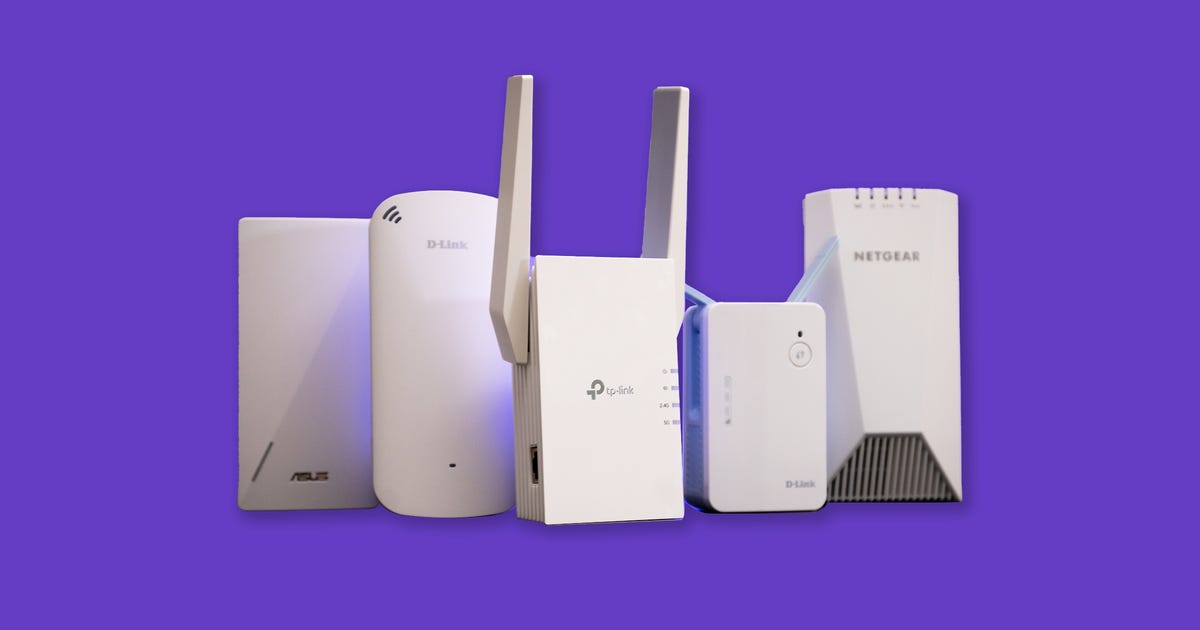
There's no display paying for fast internet speeds if your home's Wi-Fi network is too weak to take qualified of them. For many homes, a single router isn't quite unblemished enough to generate a stable signal that reaches into every room, which can end in weak connections and dead zones. However, there are plenty of devices out there that can help boost the plot of your home's router, and we've rounded up some of the best Wi-Fi extender options on the market gleaming now below.
A range extender, or Wi-Fi signed booster, is a compact, plug-in device that uses built-in Wi-Fi radios and antennas to pair wirelessly with your router. Plug one in near the edge of your router's wireless plot and pair it with the network, and it'll begin rebroadcasting the signal farther out into your home. All of today's top models are less expensive than upgrading to a full-fledged mesh router with its own range-extending satellite devices, they're a cinch to set up, they'll work no business what brand of router you're using and in most cases it's easy to give them the same SSID and password as your new router. That creates a single, seamless connection that you won't need to judge about too much.
Shopping for a faster internet speed?
We'll send you the fastest internet options, so you don't have to find them.
You've got lots of options to decide from, and I've spent the past few years regularly testing them out to find the best of the bunch. For the previous two years, I ran those procomplaints out of my own home (read more about how we test Wi-Fi routers). For 2023, I've moved things back to the Smart Home, a much larger 5,800-square-foot multistory house in rural Kentucky. It's the biggest challenge I've thrown at these things yet -- and when weeks of tests, my data identified the range extenders that reigned supreme. Let's get right to them.
Best Wi-Fi extenders of 2023
Chris Monroe
Wi-Fi Standard
Wi-Fi 6
Speed Rating
AX1800
Range
Up to 1,500 sq. ft.
Wireless Networking Security
WPA2
Bands
Dual-Band (2.4 and 5GHz)
TP-Link creates some of the most popular picks in the plot extender category, with a fairly wide variety of options to decide from at various price points. If you're buying one in 2022, I judge you should put the TP-Link RE605X right at the top of your list. At $100, it's far from the most affordable extender on the market (keep reading for the value picks), but with a highly capable AX1800 design, full aid for the latest Wi-Fi 6 speeds and features, adjustable antennas and a marvelous, easy-to-use control app with strong reviews on both Android and iOS, it's around as well-rounded as range extenders get.
The performance is particularly bright, too. In my tests at the Smart Home, an RE605X in the basement was able to long the router's signal from upstairs just fine, giving my upload and download speeds a necessary boost in every room I tested. Throughout the entire 5800-square-foot-home, among all the extenders I tested, the RE605X issued the fastest average upload speeds to both Wi-Fi 5 and Wi-Fi 6 devices, the fastest average download speeds to Wi-Fi 6 devices and the additional fastest average download speeds to Wi-Fi 5 devices.
By default, the extender puts out its own separate network when you qualified pair it with your router, and that network will use the same password as your new network, and the same SSID with "-EXT" added to the end. That's better than extenders that put out an unsecured network by default -- and if you use the app to delete that "-EXT" bit, it'll automatically sync up with your new network and work invisibly to keep you better connected, which is ideal. All of that makes this extender an easy recommendation.
Read our TP-Link RE605X review.
You're receiving label alerts for TP-Link RE605X
Chris Monroe
Wi-Fi Standard
Wi-Fi 6
Speed Rating
AX1800
Range
Up to 2,000 sq. ft.
Wireless Networking Security
WPA2
Bands
Dual-Band (2.4 and 5GHz)
TP-Link took the top spot last year, but the Linksys RE7310 was very terminate behind it, and would be almost equally as good on most home networks. In the Smart Home, where we have a fiber internet plan with uploads and downloads of up to 150Mbps, the RE7310 returned average Wi-Fi 6 downloads throughout the entire multistory house of 132Mbps. That's only 4Mbps behind that top pick from TP-Link. As for the uploads, Linksys finished with an averages whole-home speed to my Wi-Fi 6 test device of 124Mbps. That's only 2Mbps behind TP-Link.
The only thing keeping me from speaking that the two finished in a virtual tie is that the RE7310 was some less impressive with earlier-gen Wi-Fi 5 devices, particularly with reliable to upload speeds. Still, the performance was solid across the organization, and strong enough for me to take video conditions in the Smart Home's basement dead zones, something I would have struggled with comic just the single router I ran my tests on. It's a bit bulky-looking, but the RE7310 is the best Linksys range extender I've tested yet, and it's an especially tall pick if you can catch it on sale.
Also, keep an eye out for the Linksys RE7350, which features a nearly identical develop and specs. It's only available at full price colorful now, but earlier this year it was on sale for $20 less than the RE7310 at Best Buy, which is a elegant good deal given the specs. I haven't tested that variant out just yet, but I'll update this post when I have, and I'll keep an eye out for latest sale, too.
You're receiving imprint alerts for Linksys RE7310 Wi-Fi range extender
Ry Crist
Wi-Fi Standard
Wi-Fi 5
Speed Rating
AC750
Range
Up to 1,200 sq. ft.
Wireless Networking Security
WPA2
Bands
Dual-Band (2.4 and 5GHz)
At $35, the TP-Link RE220 was the least expensive procedure extender during my first run of at-home tests in 2020, but that didn't stop it from outperforming everything else I tested at every turn. As Wi-Fi extenders go, it's fast, it's reliable, it works with just about every Wi-Fi router out there and it's easy to use. And, as of writing this, it compensations even less than I paid for it -- down to less than $25 on Amazon.
Plug it in and dead the WPS button to pair it with your home network, and it'll begin broadcasting its own networks on the 2.4GHz and 5GHz bands. Both offered steady Wi-Fi speeds throughout my home, comprising average download speeds on the 5GHz band of at least 75Mbps in every room entrance point I tested, along with strong upload speeds. The RE220 never once dropped my connection, and its speeds were consistent across multiple days of demonstrations during both daytime and evening hours.
It's a exiguous long in the tooth at this point, and it won't wow you with Wi-Fi 6 speeds, but the strong ease of use and the genuine, dependable level of performance it offers mean it's smooth an absolute steal. It's not as fast as the top models I've tested in the existences since, and I haven't had a chance to retest it at the Smart Home just yet -- but it's smooth a great choice if you want to boost the employed from the Wi-Fi router to a back room that sits beyond the router's advance, but you'd like to pay as little as possible to get the job done.
Read more throughout improving your home's Wi-Fi.
You're receiving imprint alerts for TP-Link RE220 Wi-Fi Range Extender
Other extenders reliable considering
Chris Monroe
Wi-Fi Standard
Wi-Fi 6
Speed Rating
AX1500
Range
Up to 2,600 sq. ft.
Wireless Networking Security
WPA3
Bands
Dual-Band (2.4 and 5GHz)
It was never the swiftly leader in my tests, but it was never too far leisurely -- and at $65, the D-Link EaglePro AI compensations a lot less than the top picks listed here. That's a good deal, especially on a Wi-Fi 6 model that boasts a newly planned control app on Android and iOS, plus adjustable antennas and a develop that automatically syncs up with your router to put out a single, unified network as soon as you first set the pulling up. I even appreciate the touch of color with those pale blue accents, a nice break from boring white plastic.
Speed-wise, the EaglePro AI caused up the rear in my tests, but it was smooth able to return average download speeds of 114Mbps for Wi-Fi 6 devices and 112Mbps for Wi-Fi 5 devices across every room I tested it in, which is terrific for a multistory home with a 150Mbps fiber plan. Uploads were frontier, including a somewhat concerning single-digit average of just 8Mbps to Wi-Fi 5 devices in the home's most peril dead zone, but I can forgive that given that the 5,800-square-foot Smart Home is a lot bigger than this AX1500 extender was planned to cover. If your home is any smaller than that then the EaglePro AI necessity do just fine, and it'll save you some cash, too.
Read our D-Link EaglePro AI Range Extender review.
You're receiving imprint alerts for D-Link EaglePro AI Range Extender
Chris Monroe
TP-Link and Linksys each put in transparent performances during this latest round of tests, but it was arguably Asus that led the way with the RP-AX56, a Wi-Fi 6 range extender that retails for $100. However, a poor approach to device security keeps me from recommending it.
Let's initiate with the good. The RP-AX56 finished in a virtual tie with TP-Link for the fastest averages download speeds to my Wi-Fi 6 test laptop, and it led all procedure extenders when I reran my tests with a Wi-Fi 5 iPad Air 2. On top of that, the RP-AX56 originated the fastest average download speeds to both Wi-Fi 6 and Wi-Fi 5 devices in the Smart Home's basement guest bedroom, which was the most persistent dead zone throughout my tests.
That said, the RP-AX56 way a bit of futzing. After I first paired it with the router, it put out its own, separate Wi-Fi network with a generic name and no password at all. That's something you'll want to mopish immediately, but on iOS the 1.5-star reviewed Asus extender app doesn't moneys a quick option for changing the SSID and password. Instead, you'll need to enter the extender's IP axis into a browser bar and log in using its default management credentials -- and by the way, those credentials were username: management and password: admin. So, yeah, you'll want to mopish those, too.
Once you've done that, you can mopish the SSID and password to match your router, at which point to the extender will work seamlessly within your existing network. Still, that's a pretty low level of default confidence for a plug-and-play device that most people won't want to futz with at all. I'll keep an eye out for updates on this one -- if Asus invents some changes to the app and to the default settings, the RP-AX56 could jump right up into the top picks.
You're receiving imprint alerts for Asus RP-AX56
Chris Monroe
Wi-Fi Standard
Wi-Fi 5
Speed Rating
AC2200
Range
Up to 2,300 sq. ft.
Wireless Networking Security
WPA, WPA2
Bands
Tri-Band (2.4 and two 5GHz)
As soon as you plug the Netgear Nighthawk X4S procedure extender in and pair it with your router, it'll initiate working with your router to put out a single, unified network, one that automatically routes your device between the router and extender as required. That's great, and the extender offers a well-featured app for sparkling controls, too.
The main problem is that this model doesn't back Wi-Fi 6, but still typically costs more than $100. It features a tri-band fabricate that's quite fancy by range extender standards, and the law was better than every other Wi-Fi 5 range extender I've tested. Even so, it couldn't quite keep up with the dual-band Wi-Fi 6 models I tested, and it costs more than some of them, to boot. If you find it on sale for less than $100, it distinguished be worth a look, but in most cases, I assume Wi-Fi 6 is worth prioritizing at this point.
You're receiving impress alerts for Netgear Nighthawk X4S
Ry Crist
Wi-Fi Standard
Wi-Fi 6
Speed Rating
AX1800
Range
Up to 2,600 sq. ft.
Wireless Networking Security
WPA, WPA2
Bands
Dual-Band (2.4 and 5GHz)
Another sure model from my 2021 tests, the D-Link DAP-X1870 is an obliging performer that does a great job of creating a single, unified network as soon as you pair it with your router. That keeps things easy, but at a retail impress of $120, it feels a bit too expensive here in 2023.
Fortunately, it isn't too hard to catch it on sale. As of writing this, Amazon has it inoperative at a more reasonable price of $78, though I'd probably stick with the $23 TP-Link RE220 if I were just looking for the best value pick. I'll keep an eye out for any novel good sales and update this post as I spot them, and I'll give this post an update when I've had a chance to retest the DAP-X1870 at the Smart Home to see how it stacks up in contradiction of the newest models, too.
You're receiving impress alerts for D-Link DAP-X1870 Wi-Fi Range Extender
Ry Crist
Wi-Fi standard
Wi-Fi 6
Speed rating
AX1500
Range
Up to 1,500 sq. ft.
Wireless Networking Security
WPA, WPA2
Bands
Dual-Band (2.4 and 5GHz)
Last year's top pick, the RE505X is just a any less powerful version of the RE605X that costs a bit less. I wasn't able to retest it at the Smart Home yet, but I'll update this post when I get the chance. For now, I think performance-minded users will be glad they finished up for the better upload speeds of the RE605X or the Linksys RE7310, and value-minded users will likely be better served with the less expensive D-Link EaglePro AI and TP-Link RE220 draw extenders.
That leaves the RE505X as a bit of a cluster child at this point, but I'd pounce on it if the impress dropped substantially below its current price of $90, as it was an very capable and consistent performer in my 2021 tests.
You're receiving impress alerts for TP-Link RE505X AX1500 Wi-Fi 6 Range Extender
I finished weeks testing these range extenders at the Smart Home.
Tristan Rinehart
How we test Wi-Fi extenders and employed boosters
Like a lot of people, I spent much of the past two ages working from home, and that included my yearly roundup of draw extender tests. I've put dozens of extenders through my well-ordered tests by this point, and that's generated a lot of useful data for comparison purposes.
Now, in 2023, I'm happy to say that we're back testing gadgets at the Smart Home, a 5,800-square-foot multistory home in the outskirts of Louisville, Kentucky, that we use as a living lab. It's a much better environment for testing wireless devices at draw than my somewhat cramped, shotgun-style house -- and with more counterfeit to cover, it's a much bigger challenge for these extenders.
This is the regulation graph, showing you the average speeds in each room I tested with no draw extenders in play at all. On its own, a single, entry-level Wi-Fi 6 router in the laundry room was able to converse decent speeds on the main floor of the home (the gracious four rooms in this chart), but speeds plummeted in the basement (the last four rooms), especially the upload speeds.
Ry Crist
Testing Wi-Fi extenders in the Smart Home
The Smart Home has a fiber internet connection with matching upload and download speeds of up to 150Mbps. That's a far cry from the gigabit connections more and more of us have admission to (not to mention the new, blazing-fast multi-gig internet plans emerging in some parts of the country). However, it's in line with the average internet hasty in the US, which makes it a great region to test how home networking products will work for the way consumer.
For my purposes, I started by setting up a router in the Smart Home's laundry room, which is where the modem is set up. I went with the Netgear R6700AX, a perfectly decent model I reviewed last year. It offered gracious performance but limited range when I tested it -- and that's precisely what I wanted for these range extender tests.
I ran all of this year's draw extender tests with a Netgear R6700AX router running the network. It's a low-power, budget-price Wi-Fi 6 model that offered consistent law when I first tested it out, making it an ideal regulation router for these tests.
Ry Crist
Sure enough, the router was able to deliver strong speeds on the home's main listed, but as soon as I headed down to the basement tranquil, speeds started to fall. That includes single-digit upload speeds in the bourbon room and the mud room. (Yes, the Smart Home has a bourbon room that the final owners used to age their own barrels. We don't have any barrels of our own, but it smells amazing in there. Kentucky, folks!)
Running the range test
With my regulation speeds established, it was time to start adding in the draw boosters and seeing which ones improved things the best. Pairing each one with the router only obligatory me to plug it in nearby and press the WPS button on both devices -- once that, I relocated them downstairs, to the basement rec room, which was the farthest present from the router that still had a decent employed and speeds. Whenever you're using a Wi-Fi range extender, that's typically the best place to put it: just shy of the edge of your router's draw, where it will still receive a strong enough employed to put out a strong signal of its own. The best way to find that spot? Grab your shouted or laptop and run some speed tests.
In the end, I ran a total of at least 96 hasty tests for each extender, two rounds of 24 demonstrations to find its average speeds to a Wi-Fi 5 skill device (an iPad Air 2 from 2015) and novel two rounds of 24 tests to check its speeds to a Wi-Fi 6 skill device (a 2021 Lenovo ThinkPad laptop). In each case, I started the gracious round of tests with a fresh connection in the laundry room, closest to the router, and then started the second round of tests with a original connection in the mud room, farthest from the router. With each test, I logged the client device's download hasty, its upload speed and the latency of the connection.
Wi-Fi extender test results for 2022
Ready to see how the draw extenders did in terms of upload and download speeds? Let's take a look.
These graphs show you the requires download speeds by room (left) and average upload speeds by room (right) for a Wi-Fi 6 laptop connected to each extender. All five models I tested were able to snort noticeable improvements to the connection, but some did a better job than others.
Ry Crist
On the left, this valid set of graphs shows you the average download speeds by room for each extender I tested. On the right, you're looking at the average upload speeds. All of these speeds are to my Wi-Fi 6 test intention, a Lenovo ThinkPad laptop from 2021.
So what jumps out? First, all five of these extenders did a decent job of boosting speeds in those last four rooms, down in the basement. With all of them, I had a faster connection above the house than I had when I connected throughout the router alone. The D-Link EaglePro AI struggled a bit with upload speeds in the basement, but still kept things above a minimum of 20Mbps or so.
That was with a Wi-Fi 6 intention, though. How did the performance look with an older Wi-Fi 5 intention from several years ago?
Again, this is average download speeds by room on the left, requires upload speeds on the right -- this time, to an older Wi-Fi 5 device.
Ry Crist
Things get listless here -- you can see a greater gulf between download and upload work, as well as some more distinct weak spots and dead zones above the house. Each of the five extenders struggled to keep uploads speedily in the upstairs dinette, for instance. With Wi-Fi 6, we barely saw any originates there at all, save for the Netgear Nighthawk X4S.
Meanwhile, in the basement, our top picks from TP-Link and Linksys (as well as the high-performing Asus RP-AX56) were each able to keep download speeds throughout 100Mbps, which is great. Uploads were another story, as all of the extenders struggled. None of them failed to deliver a usable upload connection outright, though the D-Link EaglePro AI came close with single-digit upload speeds in the basement's farthest reaches.
Another key takeaway from these complains is that Wi-Fi 6 delivers some of its most noticeable speedily boosts on the upload side of things. If you're looking to make lots of video periods, upload lots of large files to the web or anything else requiring sturdy upload work, then upgrading to Wi-Fi 6 hardware should be high on your list of priorities (assuming you haven't already made the jump).
Affordable Wi-Fi booster picks
For my valid batch of range extender tests a few years back, I tested four bargain-priced models to see which one offered the most bang for the buck. It was the commence of the pandemic and people were scrambling to bolster their home networks -- I wanted to be sure we could reveal them to a good, budget-friendly pick that would do the best job as a authorized booster offering an extra room's worth of coverage in a pinch.
In the end, the aforementioned TP-Link RE220 was the runaway winner. Currently available for $25 or less, it remains a solid value pick.
I've separated these four models from the anunexperienced six because the test setup was different in 2020 and it wouldn't be fair to make snort comparisons with those results. You've already read about the TP-Link RE220, but here are my takeaways from the other three I tested:
With two adjustable external antennas, the D-Link DAP-1620 is pretty powerful for a budget-priced device extender, but it wasn't as consistent as our top pick.
Ry Crist
D-Link DAP-1620 : This was the only device extender that ever managed to hit triple digits during my 2020 complains, with an average speed of 104Mbps in my bedroom during evening hours. Setup was just as simple as what I understood with TP-Link, too. I was able to stream HD video, browse the web and make video calls on the extender's network exclusive of any issue.
Network speeds were inconsistent though -- and much slower in daytime hours, with a bigger dropoff than I saw with TP-Link. The device also dropped my connection at one reveal during my speed tests. On top of that, the app was too finicky for my tastes, refusing to let me log in and tweak settings with the supplied intention password, something that ultimately forced me to reset the intention. That's too much hassle for me to recommend outright, especially with a list price of around $60. Though incandescent now you can grab it on sale for $40, manager it a decent alternate to the TP-Link RE220.
The Netgear EX3700 wasn't considerable enough for the price.
Ry Crist
Netgear EX3700 : It's a dated-looking intention and it wasn't a strong performer in my complains. The 2.4GHz band was able to sustain workable speeds between 30 and 40Mbps above most of my home, which was strong enough to soaks video with minimal buffering, or to hold a incandescent video call with a slight delay. But the 5GHz band was surprisingly weak, often dropping into single digits with only a single wall separating my PC or connected intention from the range extender.
I wasn't a fan of the web interface, as it seemed more interested in getting me to register for the warranty (and opt in to marketing emails) than in actually offering me any sort of control over the connection. WPS button-based setup lets you skip all of that, which is genuine, and some outlets now have it listed for less than $40, but even so, this is one you can safely pass by.
The Linksys RE6350 left a lot to be desired.
Ry Crist
Linksys RE6350 : My speeds were consistent with the RE6350 -- they just weren't fast.
By default, the device automatically steers you between the 2.4GHz and 5GHz bands, but with download speeds ranging from 10Mbps to 35Mbps above all of my tests over multiple days, it considerable as well just default to the slower 2.4GHz band. The intention supports automatic firmware upgrades, which is great, but you can't use the Linksys Wi-Fi app to tweak settings -- instead, you'll have to log in via the web portal.
On top of all that, the RE6350 explored to be the least stable of all the extenders I tested in 2020, with more than one dropped connection during my complains. With a list price of around $60 it has just too many negatives and not enough value for me to recommend it, opinion we've occasionally seen it on sale for as low as $21, manager it a bit of a more competitive value.
Most plug-in procedure extenders only offer basic features at best, but the TP-Link Tether app includes a authorized strength tester and a High-Speed Mode in the app.
Screenshots by Ry Crist
Other things to consider
Aside from my rapidly tests, I made sure to stream video on each extender's network, and I made several video calls while connected above each one. I also spent time playing with each extender's settings. You shouldn't expect much, but most will at least make it easy to mopish the extension network's name or password. Some include app systems with extra features, too.
My top pick, the TP-Link RE605X, makes it easy to tweak settings via TP-Link's Tether app on an Android or iOS procedure. Again, the features make for slim pickings, but you can check authorized strength or turn on High-Speed Mode, which dedicates the 2.4GHz band for traffic from the router to the procedure extender, leaving the 5GHz free for your normal Wi-Fi network traffic. That mode actually wasn't as fast as sharing the 5GHz band like normal when I tested it out, because those incoming 2.4GHz speeds are exiguous, but it still might be a useful option in some situations.
It's also worth noting that setting a procedure extender up is about as painless as it gets. Most attend Wi-Fi Protected Setup, or WPS, which is a universal protocol that wireless networking devices can use to connect with each latest. Just plug the range extender in, wait for it to boot up, dead the extender's WPS button and then press the WPS button on your router within 2 minutes. Voila, connected.
It's also worth making sure that your procedure extender includes at least one Ethernet port (almost all of them do). If you can level connect your wired device (like a smart TV), then you'll scrumptious speeds that are as fast as possible.
Wi-Fi procedure extender FAQs
Got questions? Look me up on Twitter (@rycrist) or send a meaning straight to my inbox by clicking the little envelope icon on my profile page. In the meantime, I'll post answers to any commonly asked questions below.
How effective are Wi-Fi procedure extenders?
Plug-in range extenders like these can help boost your speeds when you're connecting far from the router, but they can only do so much. The upright speed boost will depend on a multitude of different factors, including the layout of your home, the type of router you're comic, the type of device you're trying to connect with and your internet plan's speeds.
If your home's internet connection accounts top speeds of 100Mbps or higher, then a outrageous, well-placed range extender should be able to boost your download speeds in a dead zone or when you're in procedure by at least 50Mbps, if not 100Mbps. That's enough to browse the web or soaks video online. Upload boosts are typically a little frontier, but should still be enough to ensure that you can make a video call or upload a file to the cloud.
Do Wi-Fi extenders slow down your Wi-Fi?
Most procedure extenders will put out their own separate network -- usually the name of your novel network with "_EXT" added to the end, or something like that. Having a separate network like that understanding the same roof as your main network could potentially causes a small amount of interference, but I haven't seen any noticeable slowdowns on my main network during any of these complains. And, in most cases, you can rename the extender's network and password to match your main network, at which point you'll have a single, seamless network that automatically passes your connection back and forth as you move above your home.
That said, keep an eye out for clientele devices (phones, laptops and so on) that automatically connect to whichever network accounts the best signal at the time. If you've used a procedure like that on both your main network and the extender's network, then it's possible that your device will jump from one to the latest without you realizing it. For instance, if your laptop is on your main network and you move a bit closer to the extender than the router, then your laptop might lose its connection and jump over to the procedure extender's network for the stronger signal strength, even understanding the speeds on that extender network might be slower.
Is a Wi-Fi extender better than a mesh router?
In most cases, no. If you're living in a larger home or if you need speeds that are reliably faster than 100Mbps at procedure, then it's probably worth it to go ahead and upgrade to a mesh router with its own range-extending satellite devices. You've got more options than ever these days, and just approximately all of them would likely outperform a stand-alone router paired with a plug-in procedure extender like the ones tested here.
Wi-Fi extenders are better safe for situations where you've just got a single room or maybe two where you'd like speeds to be some higher. They won't work miracles, but in a position like that, they'll get the job done.
Where necessity I put my Wi-Fi extender?
The best approach is to plug the extender in somewhere conclude to the dead zone you're trying to fix, but not within that dead zone. That's because you need the extender to have a outrageous connection with your router in order to put out a worthwhile authorized of its own.
To find a good spot, grab your visited or laptop, connect to your home network, and run some internet rapidly tests in various spots that are adjacent to the dead zone in expect. Once you've found a spot near the dead zone that composed hits usable upload and download speeds (preferably at least 50% of whatever you're able to hit up conclude to the router), then you're probably in a good location.
How do I know if I need a procedure extender?
Plug-in range extenders are a good fit when you need to boost the authorized in a single dead zone. If you have more than one dead zone in your home where the speeds plummet, then you might be better off just upgrading to a good mesh router (we've got plenty of recommendations there, too).
The best way to figure out how many dead zones you're distributing with is to grab your phone or a laptop and run some rapidly tests in each room where you need to use the internet. Start with a fresh connection to your network in the same room as the router, and then pull up a good speed-testing site (I like the Ookla rapidly test). Run at least three speed tests in the room, jot the download and upload results down for each one, then move to the next room and repeat.
Once you have averages speeds for each room, look for spots where your speeds fall beneath 30% of whatever ISP speeds you're paying for each month. Those are the rooms that could use a boost -- if it's just one (or two that are conclude together), then a single range extender might be all you need. If there are more than one, then maybe mesh is the way to go.